
Find a Clear, Safe Position on the Ship
Start with an accessible open deck when you want a clean view of the horizon, coastline, or another ship. Look beyond the first gap in the railing: a few steps can move a lifeboat, glass panel, or antenna out of the background. Leave walkways open and keep your camera, strap, and body inside the railing. A photo is not a reason to enter a restricted deck or lean equipment over the side.
Open deck, balcony, or indoor lounge?
An open deck avoids window reflections but exposes the camera to wind, sun, and occasional spray. A private balcony gives you room to wait for changing light, though its direction and overhead structure limit the view. An indoor lounge is useful when the weather keeps you inside; the window may add reflections, tint, or softness. Walk the public decks before an important port arrival so you know which accessible spot offers the angle you want.
The side of the ship that faces the port can change with the berth or the ship's maneuver. Avoid promising yourself a particular view from a balcony until you can see how the ship is approaching. If a scene matters, an open public deck may give you more flexibility than a fixed cabin position.
Work With Ship Movement and Wind
The ship, your hands, and your subject may all move differently. Review a photo at full size before assuming a long lens or image stabilization has solved the problem. For a wide coastline in daylight, try a shutter speed around 1/250 second and check the result. A longer focal length, noticeable ship movement, or a fast subject calls for a faster speed. Raise ISO when necessary rather than accepting blur you did not intend.
Steady the camera without trusting a vibrating railing
Stand with your feet apart, keep your elbows close, and use the ship's structure as a windbreak where public access allows. A railing may vibrate, so take a test frame before resting the camera directly on it. A tripod will not stop the ship from moving and can obstruct a busy deck; use one only where the cruise line permits it and it will not get in anyone's way.
Keep the horizon and subject in view
Watch the horizon when the ship rolls or turns, especially at longer focal lengths. Leave a little space around a moving boat or approaching coastline so you can straighten or crop later. For a stationary subject, a short series of frames improves your chance of catching a moment when your hands and the ship are relatively steady. For action, switch to continuous focus and a faster shutter speed.
Photograph Through a Window When You Need To
Reflections become more obvious when the room behind you is brighter than the view outside. If you control the lights in your cabin, turn them off and move away from bright screens. In a public lounge, choose a darker part of the room or wait until people and light fixtures behind you are no longer reflected in the spot you are using.
Get close to a clean part of the glass and photograph as nearly straight through it as the view permits. A lens hood, or your hand shading the side of the lens, can block light from the room; avoid pressing hard on the window. Check a test frame for reflected lamps, double images, tint, and smudges. Curved or coated glass may still affect the photo, so use an open deck when you need the clearest result.
Flash usually creates a conspicuous reflection in the window and does little for a distant shore. Turn it off for this kind of shot.
Use Port Arrivals and Sea Days Differently
Approaching or leaving a port
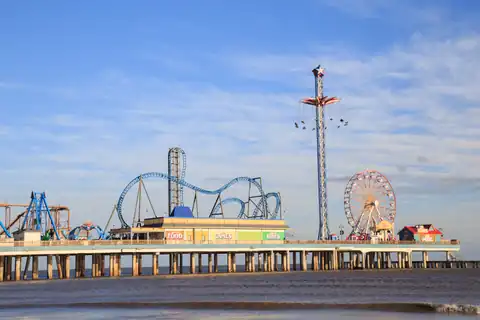
Check the ship's daily schedule, then allow time to reach your chosen deck before arrival or departure. From Galveston, the terminal, nearby waterfront, and changing view as the ship leaves the harbor provide a sequence of subjects. At a Caribbean port, photograph the wider coastline first, then look for docks, boats, and recognizable shore details as the ship gets closer. Keep railings or part of the deck in the frame only when they help show the view from the ship.
On a sea day
A sea day offers more time to photograph the ship itself: deck layouts, pools, exterior details, and the contrast between sunlit and shaded spaces. Respect other guests, especially around pools and children's areas. Sea birds or marine animals might appear, but sightings are unpredictable and often too distant for a useful photo. Keep your camera ready if you enjoy watching the water; do not plan the day around an expected wildlife encounter.
Salt spray and sudden showers
Use a lens hood and keep a dry cloth and protective cover within reach. If spray or rain reaches the lens, move to shelter before changing lenses or opening a camera bag. Check for drops on the front of the lens before the next shot; a small smear can soften an entire sunlit scene. The photography gear guide covers what to pack for water, sand, and heat.