
10-day Eastern Caribbean and the Bahamas
Route: Galveston, Celebration Key, Half Moon Cay, Grand Turk, Amber Cove, Galveston
From $835 (USD)
Choose an Eastern Caribbean cruise from Galveston by the islands you want to visit. Compare Grand Turk and Amber Cove combinations with wider circuits through Puerto Rico, the Virgin Islands and other eastern destinations.
Similar cruise lengths can hide different island lists and different stretches of consecutive port days. Compare the full route, including Bahamas or Southern Caribbean calls that share the itinerary.
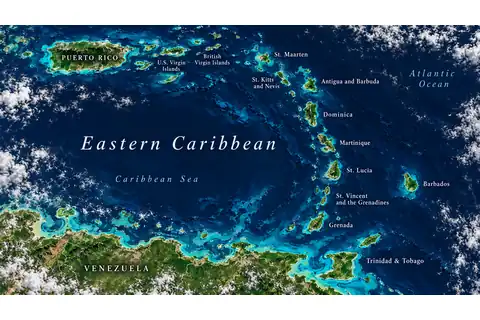
Compare Eastern Caribbean departures by date, ship and cruise length. Review the named islands, port order and sea-day sequence on each sailing before choosing your trip.
Use the filters below to narrow the current cruise results.
Route: Galveston, Celebration Key, Half Moon Cay, Grand Turk, Amber Cove, Galveston
From $835 (USD)
Eastern Caribbean cruises from Galveston bring different island groups into the same search. Compare a Bahamas combination reaching Grand Turk and Amber Cove with a wider circuit through Puerto Rico, the Virgin Islands and other eastern destinations. The regional label alone does not tell you which places the ship will visit.
Start with the island you most want to see, then compare the cruise lengths and departure dates in the schedule. More days do not guarantee a particular stop. Two itineraries of the same length can reach different islands and leave different amounts of time aboard.
The longer crossing from Galveston, Texas, also makes the arrangement of sea days worth comparing. Some itineraries place several quiet days aboard at the end; others break up the outward journey before a busy stretch of island visits.
One route example visits Celebration Key, Half Moon Cay, Grand Turk and Amber Cove, in that order. It brings a pair of Bahamas destinations together with two Eastern Caribbean calls.
In this example, the port visits are consecutive, with uninterrupted time at sea on either side. That gives the trip a clear middle stretch ashore. If you plan an outing at each stop, consider leaving one day less structured and compare how much of the return is spent aboard.
This is a mixed-region itinerary: Celebration Key and Half Moon Cay belong to the Bahamas, while Grand Turk and Amber Cove provide its Eastern Caribbean calls. It does not reach San Juan or the Virgin Islands. If either is your priority, compare the island combinations below.
An island-circuit example combines San Juan in Puerto Rico with St. Thomas, St. Kitts, St. Maarten and St. Croix. Key West comes earlier and Ocho Rios near the end. Variations using Grand Turk or Celebration Key show why even similar-looking island circuits deserve a closer read.
In the Grand Turk example, that call leads directly into the San Juan-to-St. Croix island stretch. In the Celebration Key example, a sea day separates the Bahamas call from San Juan. The difference changes where you have a break before the concentrated run of island visits.
St. Thomas and St. Croix are separate island visits. Their port names in the itinerary are Charlotte Amalie and Frederiksted, respectively. Seeing both names on a cruise means two different days ashore, not two names for the same stop.
For this pattern, think about the cumulative pace of several port days in a row. You may want a longer outing in one place and a simpler day in the next. The individual destination guides can help with those choices; the key decision here is whether that concentrated island stretch suits your vacation.
One example joins Ocho Rios with St. Croix, Antigua, St. Lucia, St. Kitts, San Juan and Amber Cove. This puts Antigua and St. Lucia into the island sequence instead of the St. Thomas and St. Maarten combination described above.
In that sequence, a sea day separates Ocho Rios from St. Croix. From St. Croix onward, the calls form a consecutive group before the return sea stretch. Think about the outings you want across the whole group, especially if more than one could take most of the port day.
Another example pairs Ocho Rios with Barbados, St. Lucia, St. Kitts, San Juan and Amber Cove. Barbados begins the consecutive island stretch, with sea days before it and on the journey home. A similar cruise length can therefore give you a substantially different destination mix.
Barbados adds a Southern Caribbean stop to that route. Our Southern Caribbean comparison explains that itinerary alongside the other southern choices. The shared calls do not make the Eastern and Southern selections interchangeable; compare the named islands before choosing.
January regional climate data puts average daytime highs at roughly 82–85°F, but monthly rainfall ranges from about 1.8 to 6.8 inches across the included Eastern Caribbean ports. Warm temperatures alone do not tell you how dry each island will be.
Use the regional weather display as an overview, then look at the ports on your particular itinerary. Its ranges describe differences between destinations, not the weather on every day of your cruise. Mixed routes also need the Bahamas or Southern Caribbean context for stops outside the Eastern group.
For these longer cruises out of Galveston, match your preferred island combination to the Eastern Caribbean departure schedule, then compare the ship and dates. The number of ports and the longest stretch of consecutive visits can be just as useful as the cruise length.
Compare typical temperatures and monthly rainfall across the locations represented in this regional dataset. These ranges describe climate averages, not the forecast for a particular sailing.
Daytime highsNighttime lows
Each colored mark shows a regional range. Rainfall figures are monthly totals at individual locations, not a regional sum or the number of rainy days.
Season labels describe the annual climate pattern. They do not predict whether a specific cruise will encounter a storm.
Climate period: Mixed source climate normals, primarily 1991-2020 and 1992-2021
Data basis: Derived from monthly climate records for eight Eastern Caribbean cruise ports in port_weather_monthly
Dataset verified: 2026-09-10
| Month | Highs (°F) | Lows (°F) | Rainfall (in) | Sea (°F) | Humidity | Cyclone season |
|---|---|---|---|---|---|---|
| January | 82.0–84.9 | 66.0–73.4 | 1.8–6.8 | 78.6–80.4 | Moderate to high | Outside season |
| February | 82.0–84.9 | 66.0–73.4 | 1.4–4.5 | 77.9–79.7 | Moderate to high | Outside season |
| March | 82.9–86.0 | 66.9–73.4 | 1.2–5.9 | 77.7–79.9 | Moderate to high | Outside season |
| April | 84.2–87.1 | 69.1–75.0 | 1.6–5.2 | 78.3–80.8 | Moderate to high | Outside season |
| May | 86.0–89.1 | 71.1–77.0 | 2.2–5.6 | 79.5–82.0 | High | Outside season |
| June | 86.0–91.9 | 73.0–79.0 | 2.0–4.6 | 81.0–83.1 | Moderate to high | Low |
| July | 87.8–91.9 | 73.0–80.1 | 1.8–6.0 | 81.5–84.0 | Moderate to high | Elevated |
| August | 87.8–93.0 | 73.0–80.1 | 2.2–6.3 | 82.4–84.7 | High | Peak season |
| September | 87.8–91.9 | 73.0–79.0 | 3.0–6.5 | 83.1–84.9 | High | Peak season |
| October | 87.1–91.0 | 72.0–78.1 | 4.1–6.0 | 83.3–84.7 | High | Peak season |
| November | 84.9–88.0 | 70.0–76.1 | 3.5–8.9 | 82.0–83.8 | High | Declining |
| December | 82.9–86.0 | 68.0–75.0 | 2.4–6.5 | 80.2–81.9 | High | Outside season |
Compare sailing dates, cruise lines, ships, lengths, and travel options for these itineraries.
Choose a year or month to see departure dates for Eastern Caribbean cruises from Galveston.
Compare the cruise lines and ships currently scheduled on these itineraries.
Compare the cruise lengths available in the current schedule.
Explore itinerary types, seasons, holiday travel windows, and special programs in the current schedule.
Explore the countries and territories visited within Eastern Caribbean.
Explore the ports and destinations visited on these itineraries.